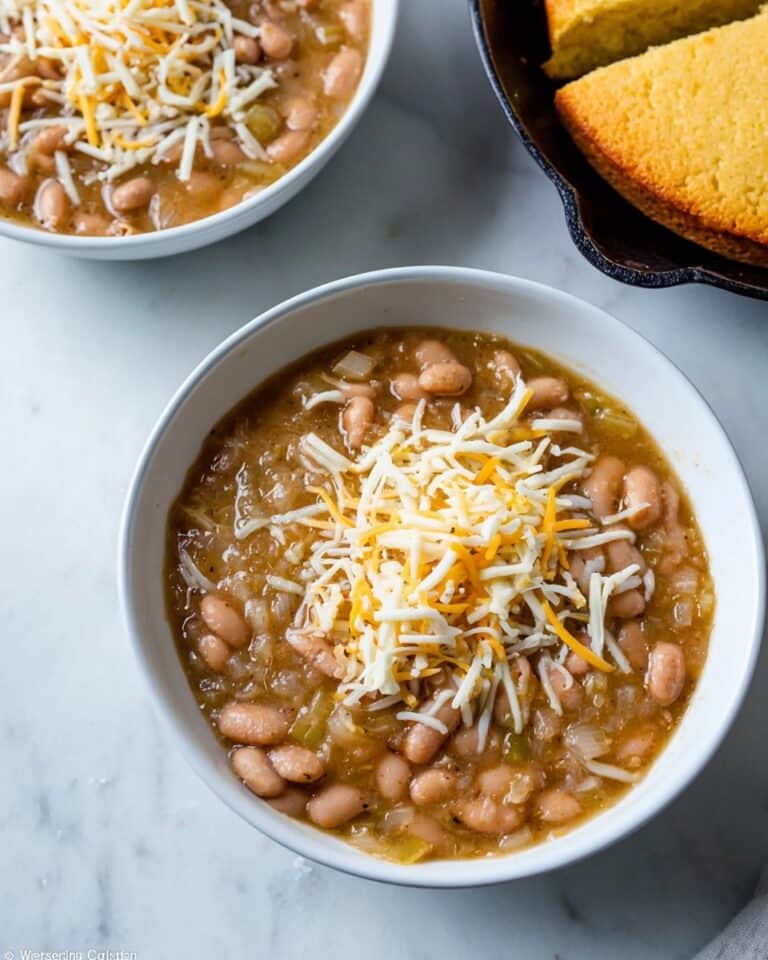
Homemade French Bread Recipe
Introduction
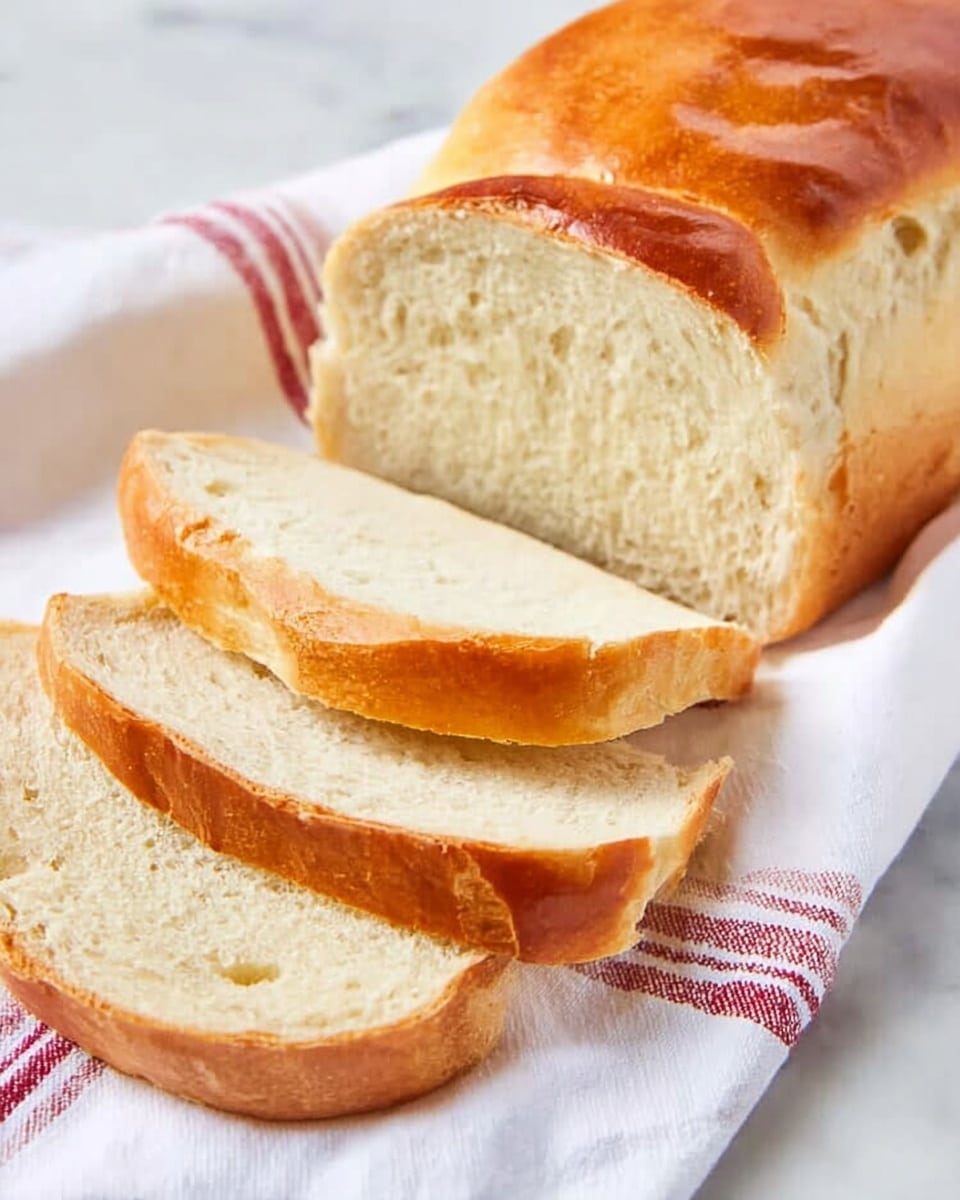
This homemade French bread recipe delivers a crusty exterior with a soft, airy interior that’s perfect for sandwiches or as a side to your favorite meals. Easy to make with simple ingredients, it’s a rewarding bake for any home cook.
Ingredients
- 2 cups warm water (about 105°F)
- 1 tablespoon active dry yeast
- 2 1/2 teaspoons granulated sugar
- 5 cups (650 g) all-purpose flour or bread flour (add more as needed)
- 2 1/2 teaspoons table salt or fine sea salt
- 1 teaspoon olive oil
- Melted salted butter (optional)
Instructions
- Step 1: In a small bowl, combine the warm water, yeast, and sugar. Let sit for 5 minutes, or until it begins to foam.
- Step 2: In a stand mixer fitted with a paddle attachment or in a large mixing bowl, stir together 2 cups of flour and salt. Gradually stir in the yeast mixture on medium-low speed or by hand.
- Step 3: Knead in 1/2 cup increments of the remaining flour until the dough is smooth but not sticky. You may need more or less than 5 cups depending on your climate.
- Step 4: Rub the olive oil around the dough ball. Cover the bowl with a towel and let the dough rest for 15 to 30 minutes. If time allows, let it rise for up to 1 hour.
- Step 5: Turn the dough onto a well-floured surface and divide it in half. Set one half aside. Roll the other half into a rectangle about 15 inches long. Starting from the long side, roll the dough into a cylinder.
- Step 6: Tuck the ends in and pinch the seams closed. Round the edges and place the loaf onto a baking sheet. Repeat with the second dough ball.
- Step 7: Make three diagonal cuts across the top of each loaf. Cover the loaves lightly with a towel and let them rise for 30 to 60 minutes, longer if possible for better flavor.
- Step 8: Preheat the oven to 400°F. Line a baking sheet with a silicone mat or parchment paper. Bake the loaves for 17 to 23 minutes, until the tops are golden brown and the bread sounds hollow when tapped.
- Step 9: If the bread browns too quickly, cover loosely with foil and reduce the temperature to 375°F.
- Step 10: Brush the tops with melted butter if desired. Slice and serve the bread warm.
Tips & Variations
- Use bread flour for a chewier texture or all-purpose flour for a softer crumb.
- Letting the dough rise longer improves flavor and texture; be patient if you can.
- Brush loaves with water before baking for an extra crispy crust.
- Add herbs like rosemary or garlic powder into the dough for a flavorful twist.
Storage
Store French bread in a paper bag or loosely wrapped in a clean kitchen towel at room temperature for up to two days. For longer storage, slice and freeze the bread in an airtight bag for up to one month. Reheat slices in a toaster or warm the whole loaf in the oven at 350°F for 10 minutes.
How to Serve
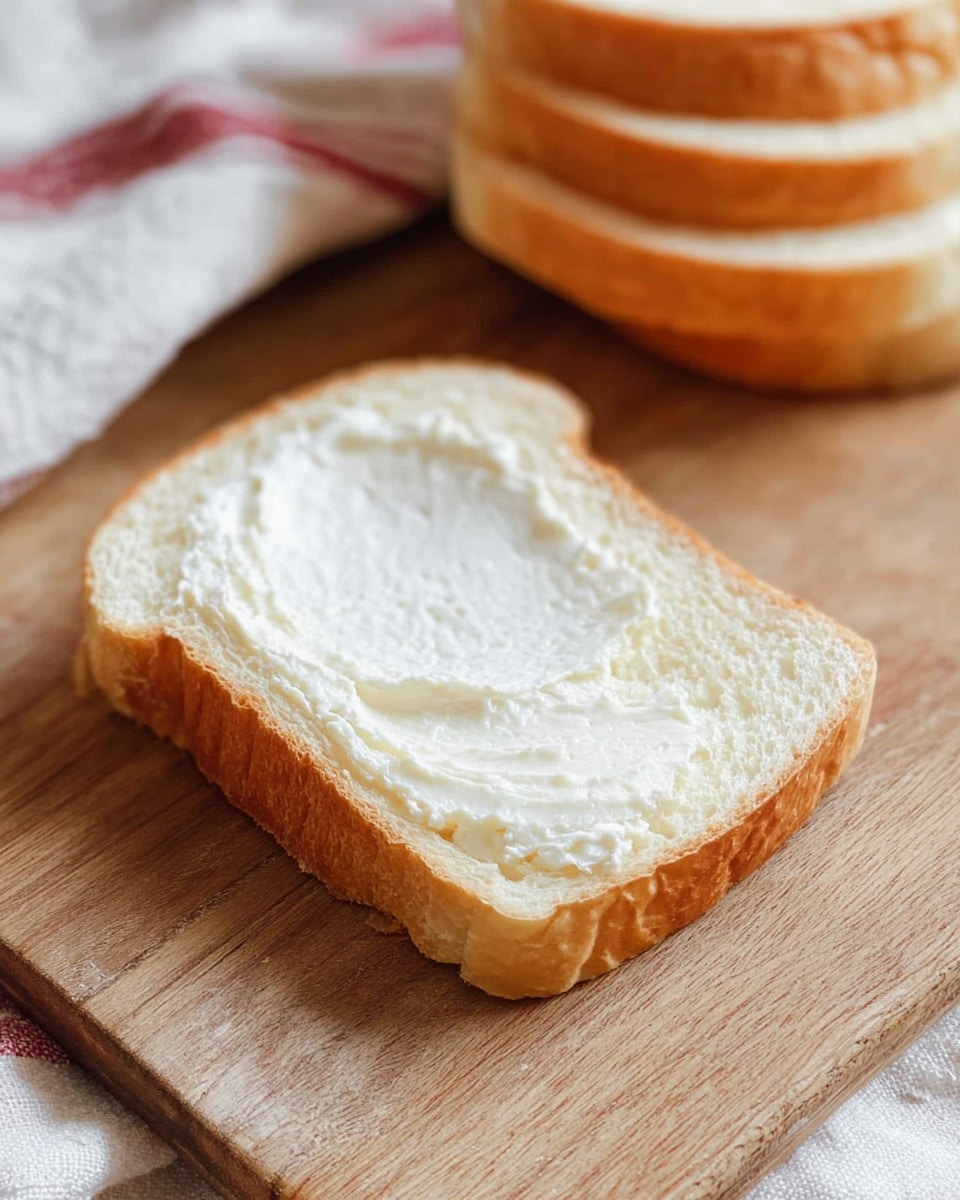
Serve this delicious recipe with your favorite sides.
FAQs
Can I make this bread without a stand mixer?
Yes, you can mix and knead the dough by hand on a floured surface until it reaches a smooth, elastic consistency. It may take a bit longer but yields great results.
Why is my French bread dense instead of airy?
Dense bread can result from using too much flour, not kneading enough, or insufficient rising time. Be sure to measure flour carefully and allow the dough to rise fully for best texture.
PrintHomemade French Bread Recipe

This homemade French bread recipe yields a classic, crusty loaf with a soft and airy interior. Using simple ingredients like flour, yeast, salt, and water, it captures the authentic taste of French bakery bread. The dough is kneaded, rested, rolled, and left to rise before baking at a high temperature to achieve a golden, crispy crust. Perfect for sandwiches, dipping in soups, or enjoying fresh with butter.
- Prep Time: 20 minutes
- Cook Time: 20 minutes
- Total Time: 1 hour 30 minutes
- Yield: 2 loaves 1x
- Category: Bread
- Method: Baking
- Cuisine: French
Ingredients
Yeast Mixture
- 2 cups warm water (about 105°F)
- 1 tablespoon active dry yeast
- 2 1/2 teaspoons granulated sugar
Dough
- 5 cups (650 g) all-purpose flour or bread flour (add more as needed)
- 2 1/2 teaspoons table salt or fine sea salt
- 1 teaspoon olive oil
Optional
- Melted salted butter for brushing
Instructions
- Combine yeast mixture: In a small bowl, stir together warm water, active dry yeast, and sugar. Let it sit for 5 minutes until the mixture becomes foamy, indicating the yeast is active.
- Knead the dough: In a stand mixer with a paddle attachment or a large mixing bowl, combine 2 cups of flour with salt. Gradually add the yeast mixture on medium-low speed or by hand. Knead in 1/2 cup increments of the remaining flour until the dough becomes smooth and not sticky. Adjust with more or less flour depending on humidity and texture.
- Rest the dough: Coat the dough ball lightly with olive oil, cover the bowl with a towel, and let it rest for 15 to 30 minutes to relax. For a better rise, allow it to rest up to 1 hour.
- Roll the dough: Turn the dough onto a floured surface and divide it in half. Take one half and roll it into a rectangle around 15 inches in length. Starting at the long edge, roll the dough tightly into a cylinder shape.
- Shape and rise: Pinch both ends and the seam closed, shaping the loaf into a rounded form. Place the loaf on a baking sheet lined with parchment paper or a silicone mat. Repeat the process with the second piece of dough. Using a sharp knife, make three diagonal cuts across the top of each loaf. Cover loosely with a towel and let rise for 30 to 60 minutes for a good second proof.
- Bake the bread: Preheat the oven to 400°F (200°C). Bake the loaves for 17 to 23 minutes or until the crust is golden brown and when tapped, the bread sounds hollow. If the crust browns too quickly, cover the loaves loosely with foil and reduce the oven temperature to 375°F.
- Serve: Optionally, brush the warm loaves with melted salted butter to enhance flavor and softness of the crust. Slice and enjoy fresh while warm.
Notes
- Use warm water around 105°F to activate yeast properly without killing it.
- Adjust flour quantity based on humidity and dough consistency to avoid a sticky dough.
- For a crustier loaf, allow the second rise to be the full 60 minutes or more if time permits.
- Scoring the bread helps with oven spring and gives the characteristic French bread look.
- Brushing with melted butter after baking adds richness and prevents the crust from becoming too hard.
Keywords: French bread, homemade bread, classic French loaf, baking bread, crusty bread recipe, yeast bread